Powered noses need shielding
Powering both end cars adds a noise-control problem near ATC equipment. The design uses lower motor shields and protected wiring to limit direct interference.

ရထားစီးရီးများ
N700-8000
編成記号
ဤပုံသဏ္ဌာန်ဖြင့် N700 ကို ရှေ့ဖျားလုံးသော 800 မှ ခွဲနိုင်သည်။ ဆင်တူသော JR West ၏ ရှစ်တွဲပါ S တွဲစုမှာ 7000 စီးရီးခွဲ ဖြစ်သည်။ အဝေးမှ ရှေ့ဖျားကို ကြည့်ရုံဖြင့် S နှင့် R ကို သေချာမခွဲနိုင်ပါ။ တွဲစုအမှတ်အသား သို့မဟုတ် ရထားတွဲအမှတ်ကို ရှာပါ။ ထိုအမှတ် မမြင်ရလျှင် “ရှစ်တွဲပါ N700” ဟုသာ မှတ်ပါ။
鉄道ホビダス · S編成/R編成| ခွဲခြားသိနိုင်သောအချက် | ဘေးသို့ ငေါထွက်နေသော ပခုံးပိုင်း |
|---|---|
| ရထားဖွဲ့စည်းပုံ | တွဲ 8 တွဲ |
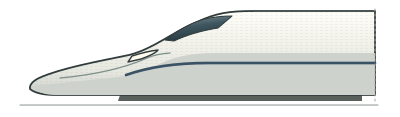
ပြားသော ရှေ့ဖျားဘေးတွင် မောင်းခန်းခြေမှ ဘေးသို့ ကျယ်ပြန့်ထွက်လာသည့် ပုံသဏ္ဌာန်ကို ကြည့်ပါ။ ပုံသည် JR Kyushu ၏ ရှစ်တွဲပါ R တွဲစုကို ဖော်ပြသည်။
ဤပုံသဏ္ဌာန်ဖြင့် N700 ကို ရှေ့ဖျားလုံးသော 800 မှ ခွဲနိုင်သည်။ ဆင်တူသော JR West ၏ ရှစ်တွဲပါ S တွဲစုမှာ 7000 စီးရီးခွဲ ဖြစ်သည်။ အဝေးမှ ရှေ့ဖျားကို ကြည့်ရုံဖြင့် S နှင့် R ကို သေချာမခွဲနိုင်ပါ။ တွဲစုအမှတ်အသား သို့မဟုတ် ရထားတွဲအမှတ်ကို ရှာပါ။ ထိုအမှတ် မမြင်ရလျှင် “ရှစ်တွဲပါ N700” ဟုသာ မှတ်ပါ။
ပြားနေသော ရှေ့ဖျားနှင့် ကျယ်ပြန့်သော မောင်းခန်းဘေးပုံစံက N700 နှင့် 800 ကို ခွဲရန် ကူညီသည်။ ဤထောင့်မှ JR Kyushu ၏ R နှင့် JR West ၏ S တို့မှာ ဆင်တူသည်။ တွဲစုအမှတ်အသား သို့မဟုတ် တွဲအမှတ်ကို ရှာပါ။ တွဲအရေအတွက်သာ အတည်ပြုနိုင်လျှင် “ရှစ်တွဲပါ N700” ဟု မှတ်ပါ။
列車の設備 · 九州新幹線(8両・6両) · JR東海/西日本/九州 N700系 · N700系7000番代/8000番代N700-7000 S / N700-8000 R · 8両 · Documented specification 2009-09
These figures cover the eight-car S and R designs. The combined motor rating is 9,760 kW. Actual speed depends on the line, restrictions and the individual journey.
| Powered formation | 8 powered cars (8M) |
|---|---|
| Traction unit | 4 cars per traction unit |
| Traction motor | Three-phase induction motors |
| Output per traction motor | 305 kW per motor |
| Combined motor output | 305 kW × 32 motors = 9,760 kW |
| Traction control | VVVF inverter drive |
| Operating speed by line | San’yō 300 km/h · Kyūshū 260 km/h |
| Starting acceleration | 2.6 km/h per second |
| Transformer primary capacity | 5,600 kVA per main transformer |
| Traction converter cooling | Forced-air boiling cooling |
| Design gradient context | 35‰ = 3.5%; all-powered formation developed for Kyūshū gradients |
[1] 国内新幹線向け 車両システムと電気品 · 東芝 · 2009-09 · pp. 21–22, Table 3, §§3.1–4, Figure 6
Eight-car N700-7000/8000 S/R design · 2009
| Degraded-mode restart | Designed to restart on a 35‰ uphill gradient |
|---|---|
| Ride control | Semi-active control in every car |
| Converter maintenance | Converter and inverter units withdraw from the vehicle side |
Powering both end cars adds a noise-control problem near ATC equipment. The design uses lower motor shields and protected wiring to limit direct interference.
N700-8000 · R1
Look for the compact lamps on the broad nose shoulders and the smaller, separated cab glazing. The drawing represents the R-series cab design; the photograph reference shows R2. The car numbers below identify R1’s two ends.
Head-on schematics. Scale is illustrative; lamps shown unlit.
JR九州N700系R1編成 · formation · JR九州N700系編成表 · independent formation check · N700系8000番台R2編成が山陽新幹線へ初入線 · railf.jp · 2010-12-06
On the eight-car San’yō–Kyūshū N700, a typical ordinary reserved row has four seats. The non-reserved cabin in cars 1–3 has five across, so only the three-seat side has a middle seat. On Kodama, non-reserved cars 7 and 8 have two seats on either side of the aisle. Confirm the reservation designation for your departure.
| ကြိုတင်မှာယူထားသော ရိုးရိုးခုံ | 2 + 2 | |
|---|---|---|
| ကြိုတင်မှာယူရန်မလိုသော ရိုးရိုးခုံ | 2 + 3 | |
| Green Car | 2 + 2 |
စစ်ဆေးခဲ့သည့်ရက် 2026-11-07
တွဲဖွဲ့စည်းပုံ နှစ်ပုံနှင့် အပြင်ဘက်ဓာတ်ပုံများတွင် ရှစ်တွဲပါ N700 နှင့် ခြောက်တွဲပါ 800 ကို ခွဲပြသည်။
7000/S၊ 8000/R ဟူသော အမှတ်များ၊ သက်ဆိုင်ရာ လုပ်ငန်းများနှင့် မျိုးကွဲအလိုက် အပြင်ဘက်ဓာတ်ပုံများ။
အစပိုဒ်တွင် JR West နှင့် JR Kyushu တို့၏ အရွယ်အစားပြည့်၊ ဆင်တူသော ရထားမျိုးကွဲများကို ဖော်ပြသည်။
Shin-Osaka နှင့် Kagoshima-Chūō ကြား ပြေးဆွဲပုံနှင့် Mizuho၊ Sakura တို့၏ ရှစ်တွဲဖွဲ့စည်းပုံ။
ရထားနှင့် ဝန်ဆောင်မှုယှဉ်တွဲဇယားတွင် Mizuho၊ Sakura နှင့် Tsubame အတွက် N700၊ Sakura နှင့် Tsubame အတွက် 800 ကို ဖော်ပြသည်။